
In a world where neurodiversity is increasingly recognized and celebrated, literature plays a crucial role in fostering understanding and awareness. Barbara Fava’s collection of Kindle books does just that, offering valuable insights into the lives of women diagnosed with Autism and ADHD later in life, and providing guidance on how to explain these conditions to children who are also neurodivergent.
Barbara Fava, a dedicated author, has poured her passion and expertise into creating books that resonate with both adults and children. Her works are not just stories; they are lifelines for those seeking to understand and navigate the complexities of Autism and ADHD. You can explore her collection on Amazon.
Literature as a Tool for Awareness and Empowerment
One of the significant contributions of Fava’s books is the illumination of the unique experiences of women who receive an Autism or ADHD diagnosis later in life. Historically, these conditions have been underdiagnosed in women, often due to differing manifestations compared to men. Women with Autism and ADHD frequently mask their symptoms, leading to a delayed or missed diagnosis. Fava’s narratives highlight the journey of self-discovery and acceptance that follows such a diagnosis, providing a relatable and empowering perspective for readers.
Through her vivid storytelling, Fava breaks down the stereotypes and misconceptions surrounding Autism and ADHD. Her characters are multi-dimensional, showcasing the strengths, challenges, and resilience that define their experiences. This nuanced portrayal helps readers appreciate the diversity within the neurodivergent community and fosters empathy and understanding.
Explaining Autism and ADHD to Children
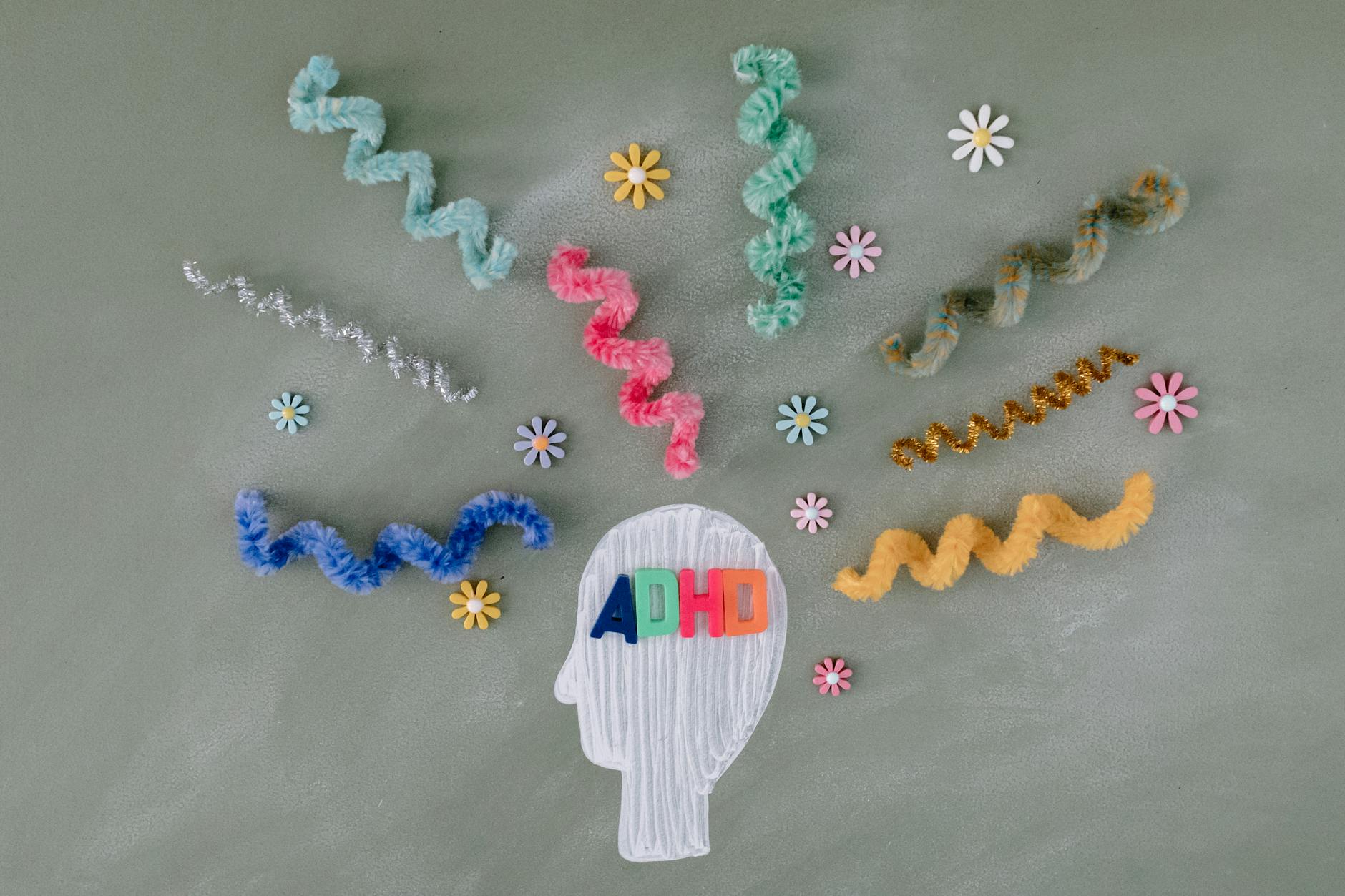
One of the most commendable aspects of Barbara Fava’s work is her dedication to helping children understand Autism and ADHD. Children who are neurodivergent themselves can benefit greatly from seeing their experiences reflected in literature. Fava’s books serve as a bridge, making complex concepts accessible and relatable for young readers.
When explaining Autism and ADHD to children, it is essential to use language that is clear, positive, and empowering. Fava’s books achieve this by presenting neurodivergence as a natural variation of human experience rather than a deficit. Through engaging narratives and relatable characters, children learn that it’s okay to be different and that everyone has unique strengths and challenges.
Tips for Explaining Neurodivergence to Children
- Use Simple, Positive Language: Explain Autism and ADHD in terms that are easy to understand. Focus on strengths and differences rather than deficits. For example, you might say, “Some people’s brains work differently, and that’s what makes them special.”
- Normalize Neurodiversity: Emphasize that everyone is unique. Use examples from Fava’s books to show that being neurodivergent is just one way of being human.
- Encourage Questions: Create an open environment where children feel comfortable asking questions. Use Fava’s stories as a starting point for discussions.
- Highlight Strengths: Focus on the positive aspects of Autism and ADHD. Many neurodivergent individuals have exceptional skills and talents. Fava’s characters often demonstrate these strengths, providing positive role models for children.
- Promote Empathy: Encourage children to consider how others might feel. Discuss the emotions and experiences of characters in Fava’s books to foster empathy and understanding.
Conclusion
Barbara Fava’s Kindle books are a beacon of hope and understanding in neurodiversity. By exploring the lives of late-diagnosed women and providing tools to explain Autism and ADHD to children, Fava’s work contributes significantly to awareness and acceptance. Her books educate and empower readers of all ages to embrace neurodiversity with empathy and compassion.
To delve into Barbara Fava’s insightful and inspiring collection, visit her Amazon author page. Her stories are more than just narratives; they are tools for change, fostering a more inclusive and understanding world.