
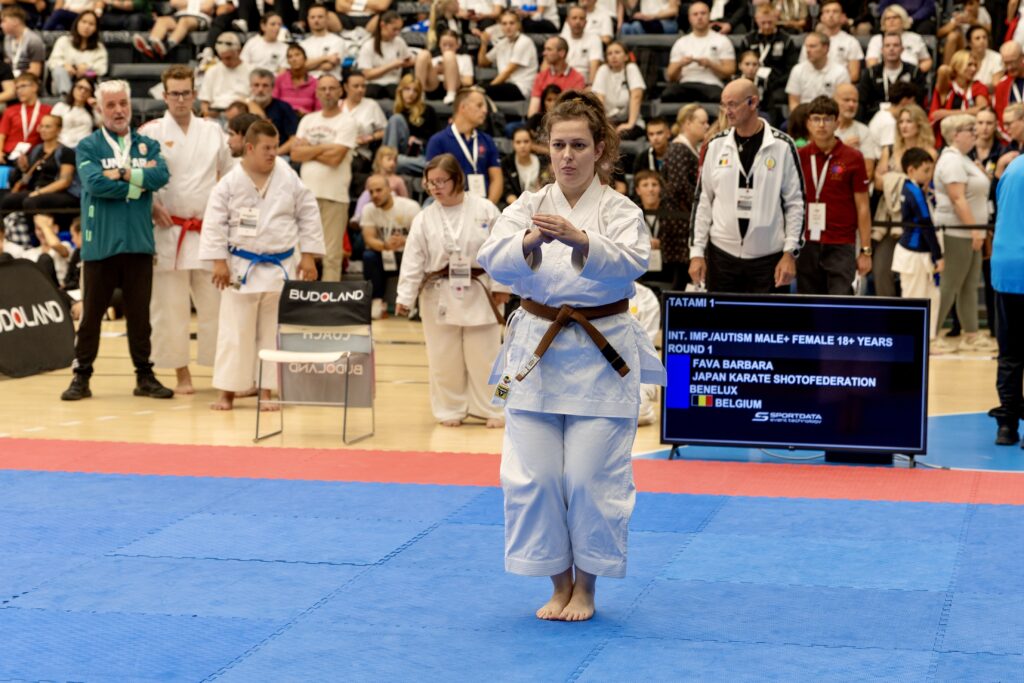
Being a para karateka is not only about stepping onto the tatami and competing. It also means carrying your whole reality into sport: your body, your mind, your history, your strength, and all the challenges that the outside world does not always see.
In my case, being an athlete also means being autistic.
And that is exactly why I feel such a strong need to speak openly about something that, for me, is not just technical or administrative, but deeply human: the importance of the WKF truly recognizing the K23 category and implementing it in competitions, instead of continuing to place autistic athletes in categories such as K20, which do not truly represent our condition.
It is not just a label. It is recognition.
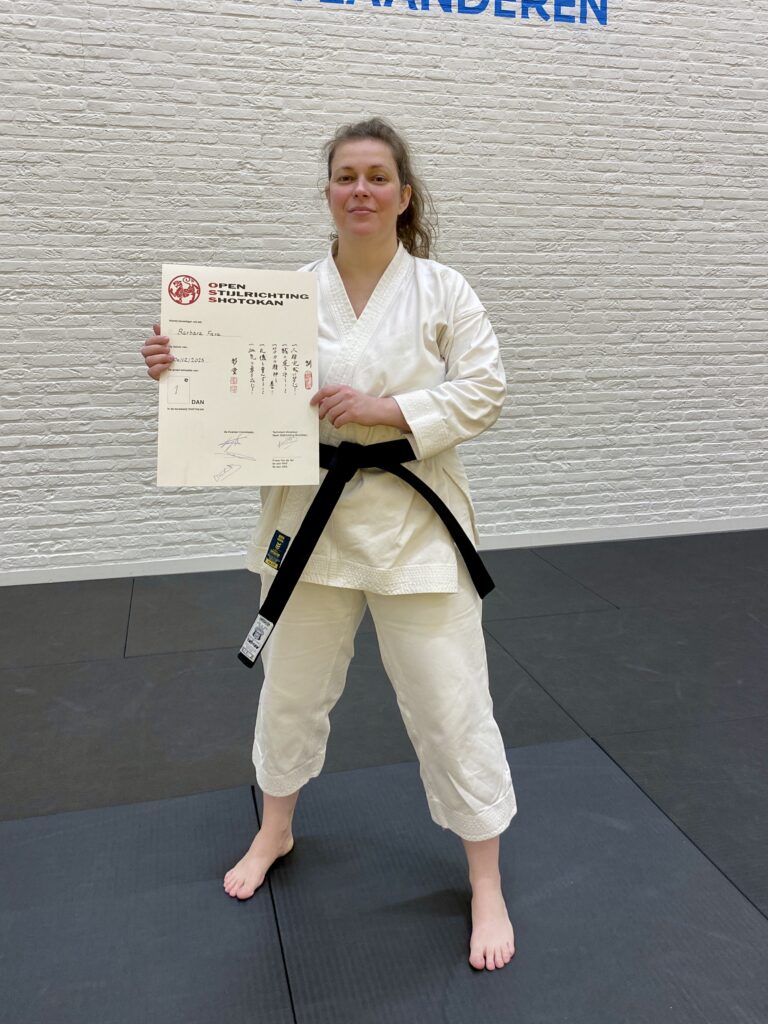
From the outside, a category may seem like nothing more than a code. A box to tick. A formal definition. But for those of us who live sport from the inside, it is much more than that.
A correct category means being recognized for who you really are.
It means not constantly being adjusted to fit into a system that was not truly designed for you.
It means not simply being placed “wherever there is space” because the right space has not yet been properly created.
For me, K23 would be the correct category, the one that would actually reflect the reality of autism within para karate. Continuing to place autistic athletes in categories such as K20 creates a distortion, not only in technical terms, but also on a symbolic level.
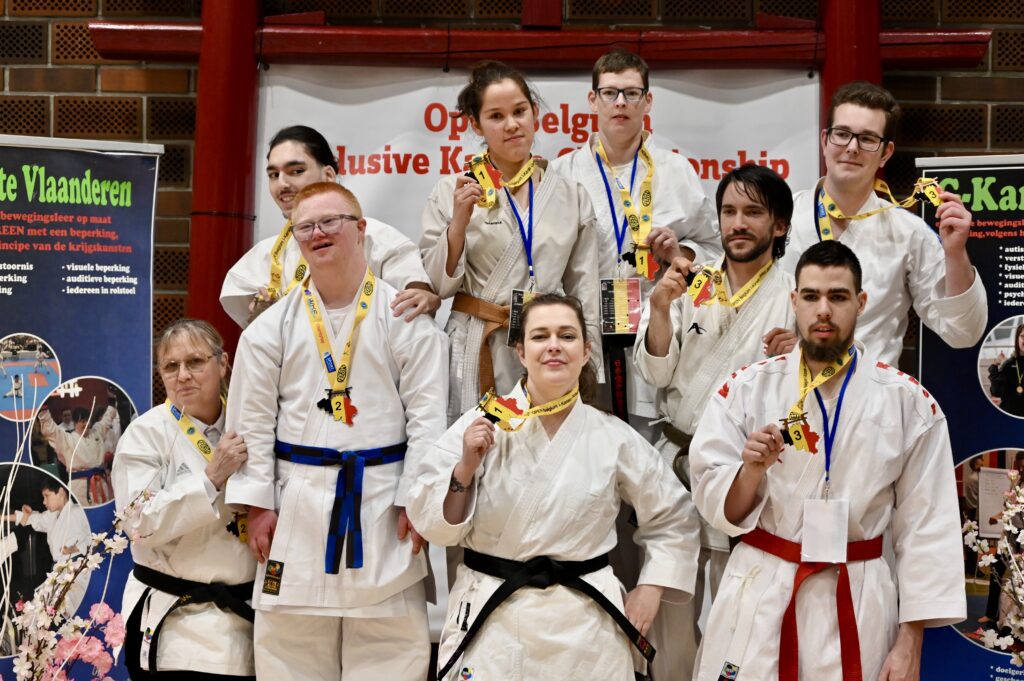
Because when an autistic athlete is placed elsewhere, the message underneath is that their specific reality still does not deserve full recognition. And in 2026, that is a limit sport should be brave enough to move beyond.
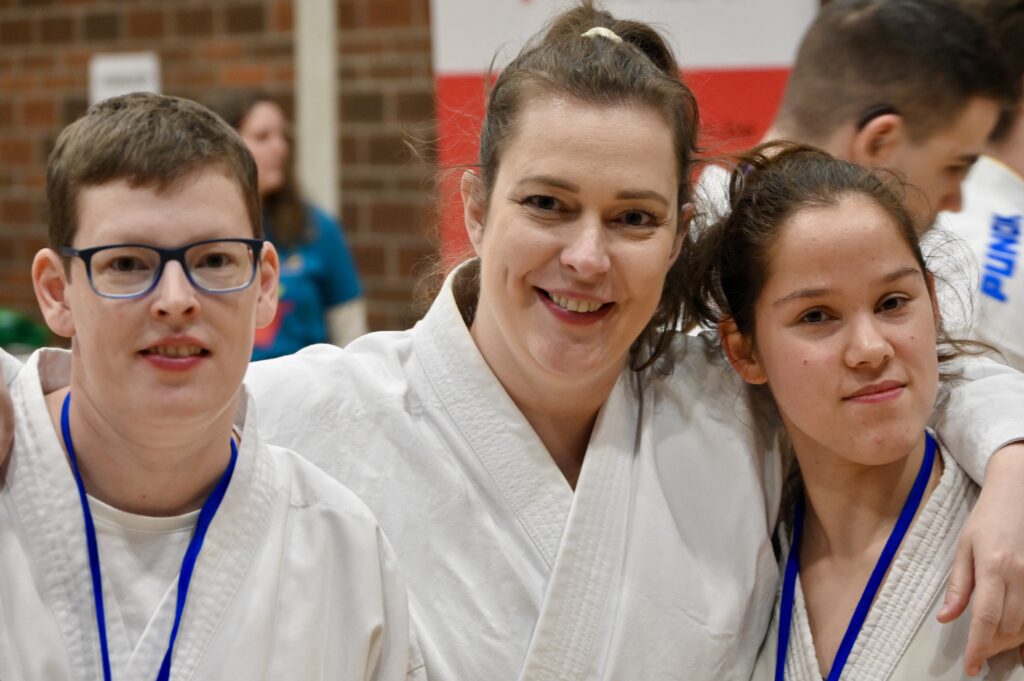
Autism in sport exists, even when people do not fully understand it
Autism is not a footnote. It is not a side detail. It is not a small difference to be accommodated at the last moment.
Autism affects the way we perceive the environment, process stimuli, live in our bodies, face pressure, respond to change, build routines, and find stability. All of this matters in sport.
It matters in training.
It matters in competition.
It matters in mental preparation.
It matters in the way an athlete experiences success, frustration, noise, chaos, waiting, and unpredictability.
That is why I deeply believe the WKF should take a real step forward by formally recognizing and implementing K23 in competitions. Not to create unnecessary division, but to finally make proper space for a reality that already exists.
Autistic athletes are already here.
We already train.
We already compete.
We already fight to be taken seriously.
Now it is time for sports institutions to show that they are ready to truly see us.
Sport should include, not simply accommodate
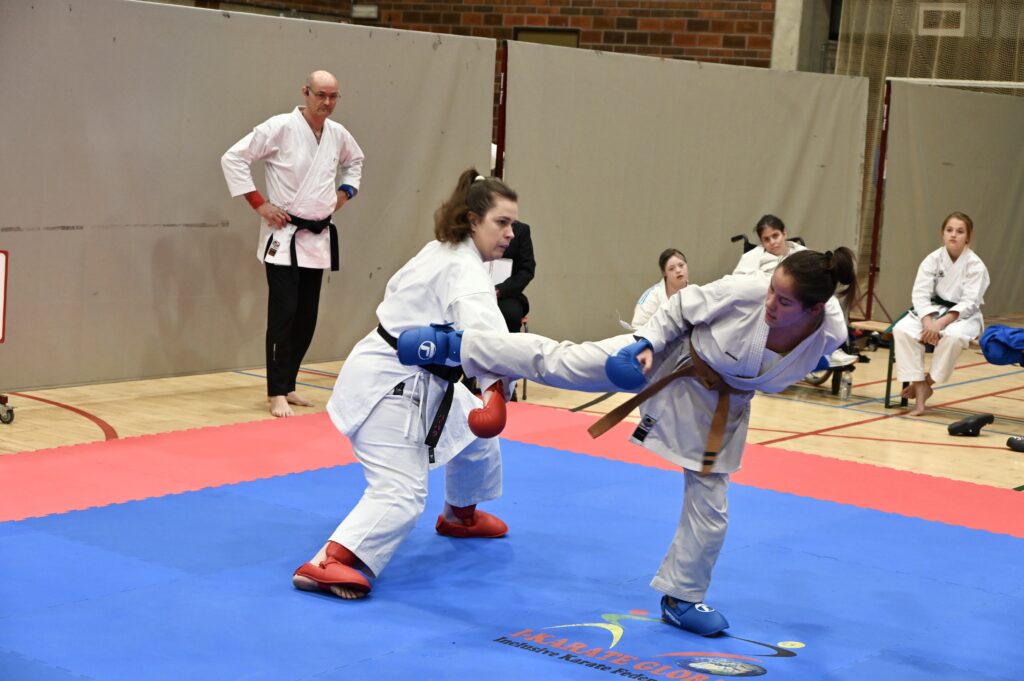
There is a big difference between accommodation and inclusion.
Accommodation means finding a temporary or imperfect solution to place someone into a system that remains essentially unchanged.
Inclusion means changing that system so that it becomes genuinely fairer.
I do not want autistic athletes to be simply “placed” into a category that is not really ours just because it is more convenient for organizers. I want there to be a real acknowledgment that autistic athletes deserve a category that is accurate, thoughtful, and respectful.
This is not about asking for privilege.
It is about asking for precision, dignity, and representation.
And in a sport like karate, which speaks so often about respect, discipline, and growth, it should be natural to understand how important it is to call things by their proper name and to give each athlete the place they truly belong.
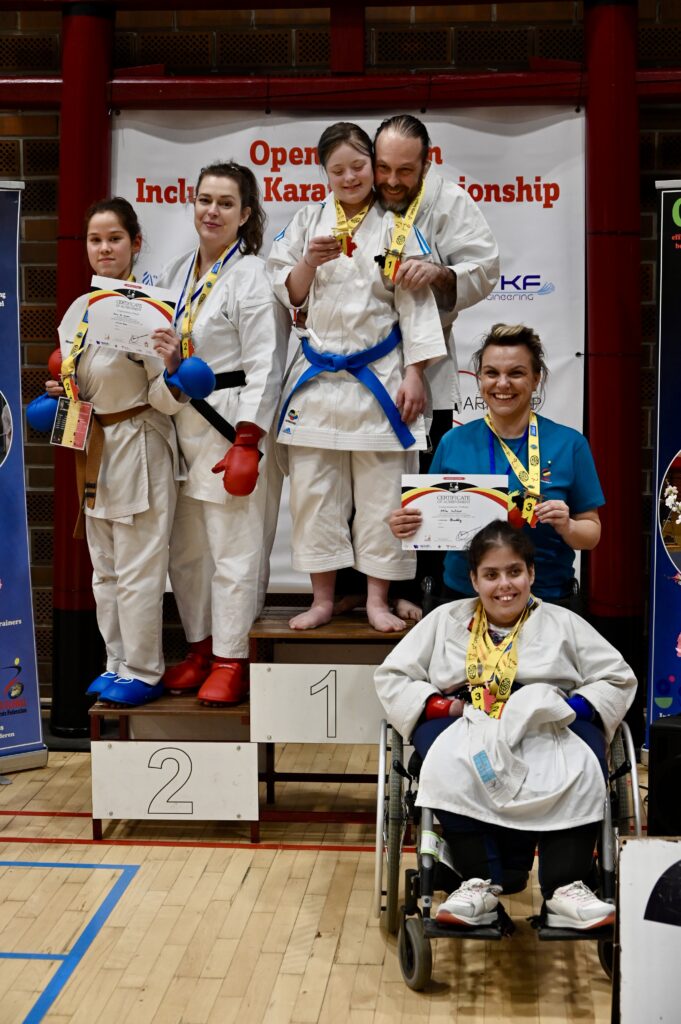
My gratitude to Eric Bortels and the IKF
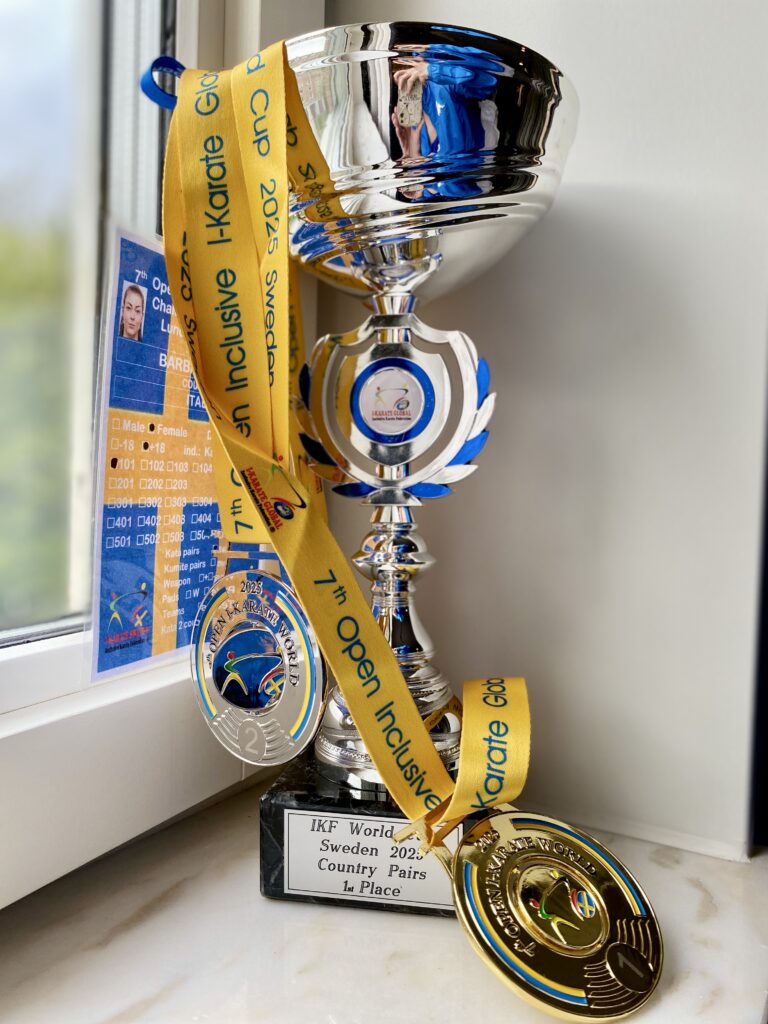
If I am able to speak about all this with strength today, it is also because I have not been alone in my journey.
I feel enormous gratitude toward Eric Bortels and the IKF for their tireless work in support of disabled people and for their real commitment to inclusive sport.
For many people, sport is only competition.
For those who live with a disability, or with a neurodivergence such as autism, sport can become much more than that: it can become a place where you finally feel legitimate, capable, and welcomed.
Thanks to Eric Bortels, I found my place in sport.
And not only that: I also found friends, real connections, people with whom I could share experiences, struggles, achievements, and a sense of belonging.
That means more than words can fully express.
Because when you have spent years adapting yourself to spaces that were not designed for you, finding an environment where someone truly believes that you also deserve to be there changes everything. It changes you as an athlete, but also as a person.
And that is why the work of those who fight to make sport more open and more just should never be taken for granted.
What it means to be truly seen
For me, karate is not only a discipline. It is a language. It is a home. It is a very deep form of expression.
Being an autistic para karateka means bringing all of that onto the tatami: strength, sensitivity, concentration, precision, vulnerability, and resilience.
But it also means still having to explain, justify, clarify, and defend your sporting existence within a system that is not always advanced enough to understand you properly.
I dream of a sport in which autistic athletes no longer have to feel like a misplaced note.
I dream of a WKF that truly recognizes K23, implements it in competitions, and treats it not as an exception, but as a natural part of a modern and fair sporting movement.
Because the point is not only to participate.
The point is to be seen correctly.
Final thoughts
I will continue to step onto the tatami with pride. I will continue to train, compete, and use my voice outside the competition area as well. I will continue to believe that sport can and should become fairer.
But I will also continue to say one simple thing:
autistic athletes deserve to be recognized for who they are.
And the K23 category deserves to truly exist in WKF competitions, not only as an abstract possibility or a forgotten label.
At the same time, I will remain deeply grateful to people like Eric Bortels and the IKF, who have already done so much to build a space where disabled people like me can feel welcomed, valued, and finally at home.
Because sometimes finding your place in sport also means finding a part of yourself.
And through this journey, I found mine.